
The Loyal Cambrian Lodge No. 110 is a Freemasons lodge with a long and rich history. The lodge was originally warranted (constituted) on June 20th 1810, and consecrated on August 7, 1810. It celebrated its bi-centenary in 2010.
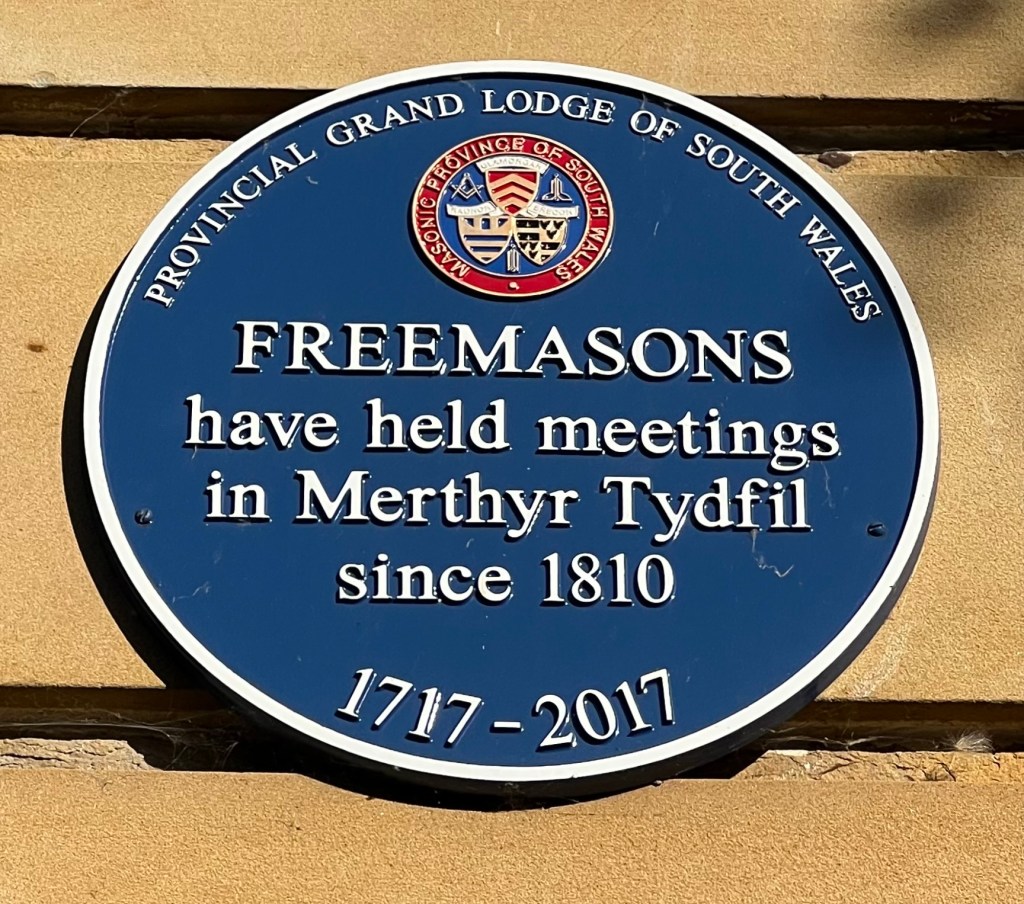
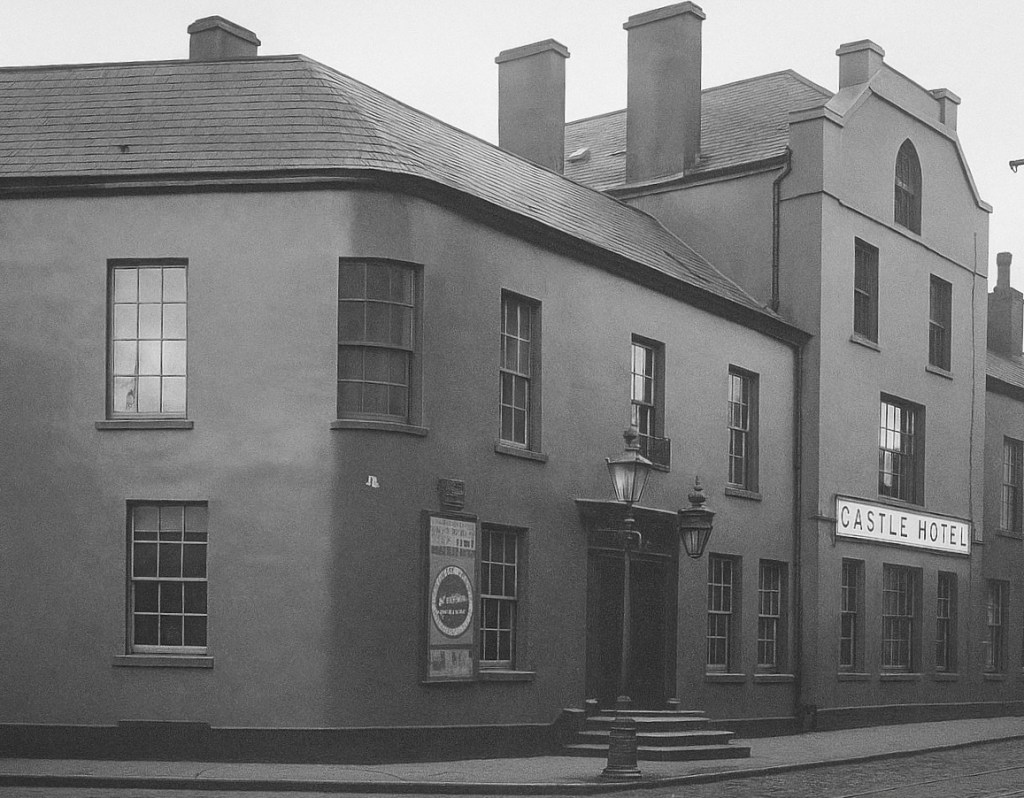
Our first lodge meeting was held at the Castle Inn, High Street, Merthyr Tydfil.
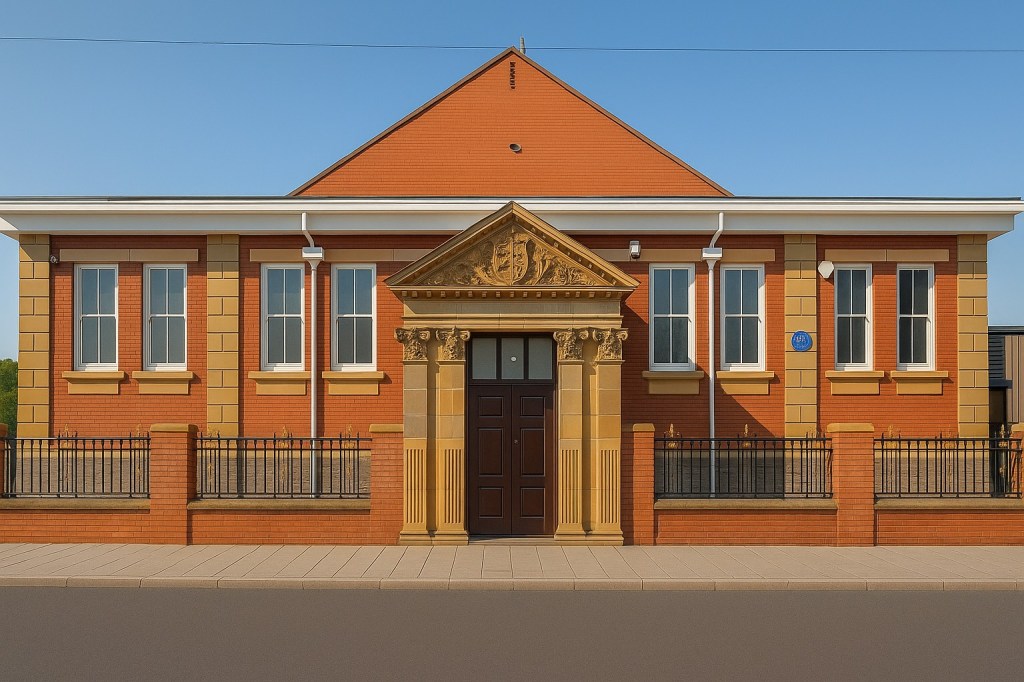
In 1910 the Masonic Temple was purpose built at Park Terrace, Merthyr Tydfil and has served as the home for Loyal Cambrian Lodge No. 110.
The lodge’s number has changed over time. It was known as No. 144, then 175, then 127, before finally settling on its current number, 110, from 1863 onwards.
The Loyal Cambrian Lodge No. 110 played a role in the formation of other lodges. For example, it was instrumental in the creation of St. David’s Lodge No. 679 in Aberdare in 1856 and the North Glamorgan Lodge No. 4055 in Merthyr Tydfil in 1920.
The lodge’s history from 1810 to 1914 has been documented in a book titled “Illustrated History of the Loyal Cambrian Lodge, No. 110, of Freemasons, Merthyr Tydfil.” This book provides insights into the early days of the lodge and its place within the wider history of Freemasonry in South Wales.
Freemasonry’s origins are widely believed to lie in the guilds of medieval stonemasons who built Europe’s great cathedrals and castles. These “operative masons” had lodges where they gathered and shared trade secrets.
As the need for stonemasons declined, these lodges began accepting non-masons, or “gentlemen masons.” The focus shifted from the practical craft of building to the symbolic and philosophical use of masonic tools to teach moral and ethical lessons.
The first Grand Lodge was founded in London in 1717, and from there, Freemasonry spread across the globe. It became a prominent fraternal organisation, particularly during the Enlightenment, attracting influential figures like George Washington and Benjamin Franklin and later notable figures such as Winston Churchill, Andrew Jackson, Harry Truman, Mozart, Mark Twain, Henry Ford, John Wayne, Buzz Aldrin, Peter Seller, Simon Cowell and Arnold Palmer.
Freemasonry’s principles of brotherhood, morality, and philosophical enlightenment resonated with many members of the Royal Family, who saw in it an embodiment of their own values.
The British monarchy’s ties with Freemasonry date back to the 18th century, and over time, numerous royals have donned the Freemason’s apron.
One of the earliest royal connections was Frederick, Prince of Wales, who was initiated into freemasonry in 1737, and these royal-masonic bonds have persisted into the 21st century.
Notable among royal Freemasons was King Edward VII. Initiated into the brotherhood in 1868, he held various positions within the organisation, including that of Grand Master of the United Grand Lodge of England. King George IV, and George III, were also Freemasons.
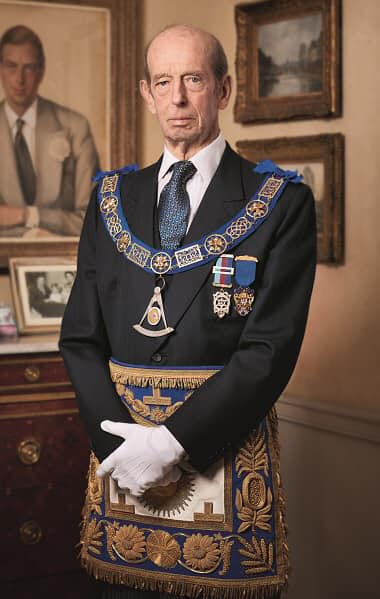
The present-day monarchy continues this tradition. The Duke of Kent, a first cousin to the late Queen Elizabeth II, has been the Grand Master of the United Grand Lodge of England since 1967, marking one of the longest tenures in the role.
 Loyal Cambrian Lodge No. 110